
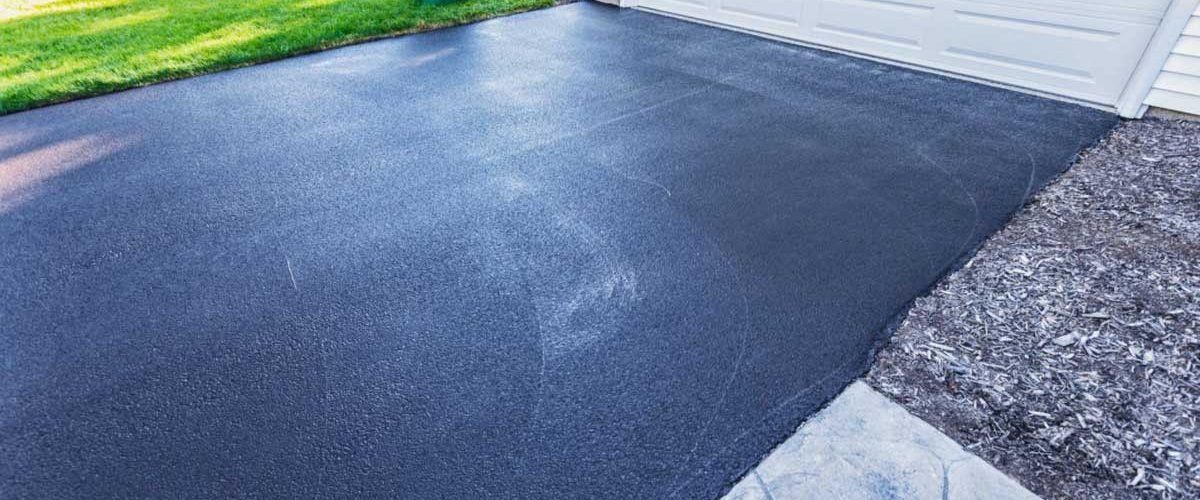
A fresh asphalt driveway looks great. The surface is dark, smooth, and crisp along the edges. It is also the most delicate it will ever be. The first days, weeks, and even months set the tone for how the pavement ages, and a few simple habits can make a real difference.
The good news is that most of the rules are easy to follow. This guide covers what to expect, what to avoid, and when it makes sense to think about sealing.
Table of Contents
Asphalt Does Not Cure Like Concrete
Many people hear the word “cure” and think of concrete, which hardens through a chemical reaction over days. Asphalt works differently. It is laid hot, and it firms up as it cools. After that, it keeps gradually hardening over the following months.
That is why timing matters. Right after paving, the surface is still warm and soft. Even after it cools to the touch, it is more easily marked than it will be later in its life. The Minnesota Asphalt Pavement Association explains that asphalt cement gets softer as temperature goes up, which means a new driveway is more likely to be marked on a hot day. Industry guidance suggests taking extra care early in the pavement’s life. You can read the full care and maintenance guidance for asphalt driveways for more detail.
The First Few Days
The crew will tell you when you can walk on the driveway, and you should follow their advice for your specific job. As a general rule, it helps to be patient.
A technical brief from the Asphalt Institute notes that new asphalt can be driven on soon after placement, but it is best to wait a few days before opening it up. Heavy vehicles such as moving trucks and delivery vans should stay off a fresh surface for longer.
Here is a simple plan for the first week:
- Keep cars off for the first few days. If your installer gives a longer window, use that one.
- Block the entrance. A couple of cones, sawhorses, or a sign can keep visitors and delivery drivers from pulling in.
- Tell your household. Kids on bikes, dogs, and well meaning neighbors can all leave marks.
- Plan for the weather. On a hot afternoon, the surface stays softer longer, so be extra careful.
Protecting the Surface in the First Weeks
Even after you can park again, the driveway still needs some gentle treatment. These are the habits that matter most.
Avoid Turning Your Wheels While Parked
Turning the steering wheel while the car is standing still puts a lot of twisting force on a small patch of pavement. On new asphalt, that can scuff or scar the surface. The Minnesota Asphalt Pavement Association specifically warns to take care when turning vehicles with power steering. Try to turn only while the car is rolling, even slowly.
Spread Out the Weight
Concentrated loads cause dents. A few things to watch:
- Kickstands. Motorcycle and bicycle kickstands can sink into a warm surface. Place a flat board or pad under them.
- Trailer tongue wheels. Small dolly wheels carry a lot of weight on a tiny footprint. Use a block or plywood piece.
- Jack stands and ladders. Put a board under the feet of anything heavy.
- Basketball hoops and portable equipment. Move them slowly, and avoid dragging.
Park in Different Spots
During the first summer, try not to park in the exact same place every day. Tires sitting in one spot in the heat can leave faint impressions. Rotating your parking position spreads the wear around while the pavement continues to harden.
Keep Edges Supported
The edges of an asphalt driveway have nothing holding them in place on the sides. Driving right on the edge, especially with a heavy vehicle, can cause the pavement to crumble or crack. Stay toward the middle of the drive when you can. Many homeowners also add soil or gravel along the edge once the surface has settled, which gives it more support and helps with drainage.
Watch Out for Spills
Fuel, motor oil, and other petroleum products can soften asphalt and leave stains or damaged spots. The best approach is to prevent spills in the first place. Check your vehicles for leaks, and keep gas cans and oil containers off the surface.
If something does spill, act quickly. The Minnesota Asphalt Pavement Association recommends the following:
- Absorb the excess and dispose of it properly.
- Flush the area with a hose.
- Scrub with household detergent that contains a degreaser, using a brush with nonmetallic bristles, and rinse.
What About Weeds, Water, and Snow?
A new driveway is not immune to everyday problems. A few quick notes:
- Standing water. If you see puddles that linger after rain, tell your contractor early. Water that sits on pavement can weaken it over time.
- Grass and weeds along the edge. Keep the border tidy so roots do not creep under the pavement.
- First winter. Use a plastic shovel or a blade with a rubber edge, and avoid metal blades that can gouge the surface. Go easy on ice melt during the first season.
When Should You Seal a New Driveway?
This is one of the most common questions, and the answer is “not right away.” The Asphalt Institute brief advises not applying sealer until the driveway is at least several months old. The pavement needs time to firm up first.
It is also worth knowing that sealing is not required for a well built driveway to do its job. The Minnesota Asphalt Pavement Association notes that a properly designed and built driveway should not deteriorate, so sealing mainly serves to improve appearance. Where homeowners do choose to seal, the Asphalt Institute suggests reapplying a quality liquid sealer every two to five years.
If you decide to go that route, take a little time to read up on sealing a new driveway so you know which products and timing make sense for your climate. One more tip from industry guidance: avoid products that contain incompatible materials such as coal tar. Ask any contractor what is in their sealer before you agree to anything.
A Simple Checklist for Your New Driveway
- Keep all vehicles off for the first few days, or longer if your installer says so
- Block the entrance so no one drives on it by accident
- Avoid turning the wheel while the car is parked
- Put boards under kickstands, trailer tongues, and jack stands
- Rotate where you park during the first hot summer
- Stay off the edges
- Clean up any fuel, oil, or chemical spill right away
- Wait several months before thinking about a sealer
Final Thoughts
A new asphalt driveway is a big investment, and the first few months are the time to protect it. Most of what it needs is simple: patience, a little planning, and some care with weight, spills, and the edges. If you give it that start, it will look good and hold up for many years.