Bath time is an essential part of responsible pet care, yet what happens after the bath is often overlooked or misunderstood. Many pet owners believe that once the shampoo is rinsed away, the job is done. In reality, post-bath grooming plays a critical role in maintaining your pet’s health, comfort, and overall well-being. One of the most common questions pet owners face is whether it’s better to let their pet air-dry naturally or to use a blow dryer. The answer is not as simple as it may seem, and getting it wrong can lead to discomfort, skin problems, and even illness.
This article explores the myths and realities behind air-drying and blow-drying pets, explains why drying matters more than most people think, and clarifies how modern pet grooming tools can make post-bath care safer and more effective for both pets and their owners.
Table of Contents
Why Drying Your Pet Properly Matters More Than You Think
After a bath, a pet’s coat holds a surprising amount of moisture, especially in dense undercoats or long fur. Even if the surface appears dry, water can remain trapped close to the skin for hours. This lingering dampness creates an environment that encourages bacterial growth, skin irritation, and unpleasant odors. In colder weather or air-conditioned indoor environments, it can also cause pets to lose body heat quickly, increasing the risk of chills.
Many owners underestimate how sensitive pets are to temperature changes when wet. Dogs and cats regulate body heat differently from humans, and wet fur disrupts their natural insulation. This means that improper drying is not just a comfort issue, but a health concern that directly affects your pet’s immune system, skin condition, and daily energy levels.
The Common Misconception: Air-Drying Is the “Natural” Choice
Air-drying is often seen as the most gentle and natural option, especially for pets that dislike noise or movement. Some owners assume that because animals dry themselves naturally outdoors, letting a pet air-dry indoors must be harmless. However, the indoor environment is very different from the natural settings animals evolved in. Limited airflow, stable temperatures, and high humidity levels slow down evaporation and prolong the drying process.
When pets air-dry indoors, they often remain damp for extended periods, particularly around the chest, belly, legs, and ears. These areas are prone to matting and skin irritation. In breeds with thick or double coats, moisture can become trapped beneath the top layer of fur, leading to hotspots and fungal infections that may not be immediately visible.
Why Air-Drying Can Increase Skin and Coat Problems
Extended dampness is one of the leading contributors to post-bath skin issues. When fur stays wet, the skin underneath softens and becomes more vulnerable to irritation and microbial growth. Over time, this can result in itching, redness, flaking, or even painful sores. Pets may scratch or lick excessively, worsening the condition and increasing the risk of secondary infections.
Air-drying also tends to leave coats looking uneven and unkempt. Without airflow to separate the hair strands, fur can dry clumped together, especially in long-haired breeds. This increases the likelihood of tangles and mats, which can pull on the skin and cause discomfort during brushing.
The Other Extreme: Why Human Hair Dryers Aren’t the Solution
Some pet owners attempt to solve the problem by using a standard human hair dryer. While this may seem like a convenient alternative, it introduces a different set of risks. Human hair dryers are designed for human scalp sensitivity, not for animal fur and skin. They often produce uneven heat and high surface temperatures that can cause stress or burns if used incorrectly.
In addition, traditional hair dryers are usually noisy, which can frighten pets and turn grooming into a negative experience. The combination of loud sound, hot air, and close proximity can increase anxiety, making future grooming sessions more difficult and stressful for both pet and owner.
Understanding What Pets Actually Need After a Bath
Effective post-bath drying requires three key elements: strong airflow to remove moisture quickly, controlled temperature to prevent chilling or overheating, and low noise to reduce stress. This balance is difficult to achieve with air-drying alone and risky with inappropriate tools.
Modern pet grooming practices emphasize drying as a continuation of bathing, not an optional step. By removing moisture efficiently and safely, owners can protect their pets from temperature-related discomfort and skin problems while also improving coat appearance and hygiene.
How a Purpose-Built Pet Dryer Changes the Grooming Experience
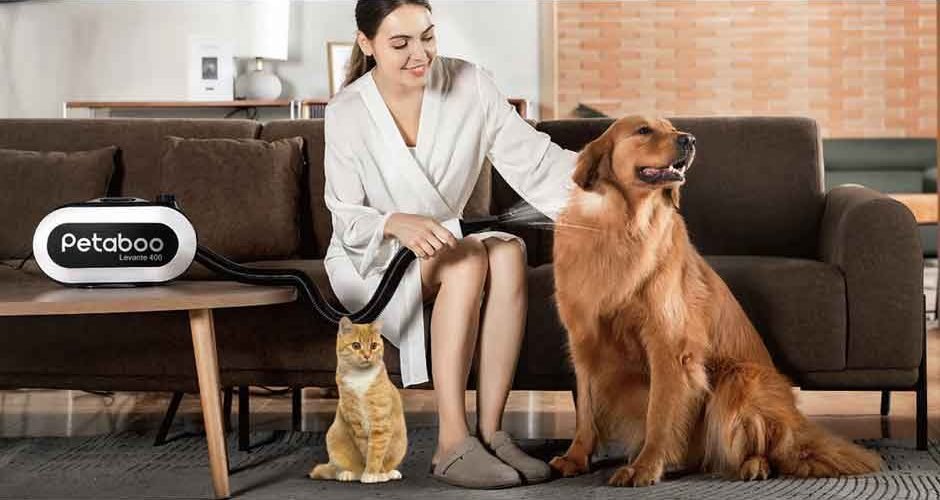
This is where dedicated pet dryers come into play. Unlike improvised solutions, a professional-grade pet dryer is designed specifically for animal coats and behavior. For example, the Petaboo ペット 用 ドライヤー addresses many of the challenges associated with post-bath grooming in a way that feels natural and safe for pets.
With an airflow speed of up to 140 m/s, it is capable of quickly removing water from even thick coats, significantly reducing drying time. Faster drying means less exposure to cold air and a lower risk of pets catching a chill after bathing. At the same time, adjustable temperature settings allow owners to tailor the warmth to the season and the pet’s size, ensuring comfort without overheating.
Noise is another critical factor. Many pets are sensitive to sound, and loud grooming tools can cause fear or resistance. Operating at approximately 40 dB, this type of low-noise design helps create a calmer environment, allowing pets to remain relaxed throughout the drying process. When grooming is quiet and efficient, pets are more likely to accept it as part of their routine rather than something to fear.
Preventing Illness Through Faster, Safer Drying
One of the most overlooked benefits of proper blow-drying is illness prevention. Wet fur combined with cooler temperatures can weaken a pet’s immune response, making them more susceptible to colds or respiratory discomfort. This is especially important for puppies, senior pets, and small breeds, which tend to lose body heat more quickly.
By using strong airflow and controlled warmth, blow-drying reduces the time pets remain wet, helping maintain stable body temperature after bathing. This is not about applying excessive heat, but about removing moisture efficiently so the pet can return to its normal state as soon as possible.
Improving Coat Health and Appearance Over Time
Consistent, proper drying also has long-term benefits for coat health. Blow-drying helps separate hair strands, making brushing easier and reducing mat formation. Over time, this leads to smoother, shinier coats and less shedding around the home. When loose fur is removed during drying, it also improves cleanliness and reduces allergens in the living space.
For owners who groom their pets regularly at home, investing in the right drying method transforms grooming from a chore into a manageable routine. Pets become more cooperative, and owners gain confidence in providing professional-level care without frequent salon visits.
Finding the Right Balance Between Air and Blow Drying
This does not mean that airflow should always be intense or that pets should be dried aggressively. The key is moderation and awareness. Towel drying to remove excess water, followed by controlled blow-drying, offers the most balanced approach. Air-drying alone may still be appropriate in warm, dry environments for short-coated pets, but it should be done with careful monitoring.
Understanding your pet’s coat type, age, and tolerance is essential. The goal is not speed for its own sake, but comfort, health, and consistency.
Rethinking Post-Bath Grooming as Preventive Care
Post-bath grooming is often treated as an afterthought, yet it plays a major role in preventing skin issues, reducing stress, and maintaining overall health. By rethinking drying as a form of preventive care rather than a cosmetic step, pet owners can make better decisions that benefit their animals in the long run.
Choosing the right method and tools helps ensure that bath time ends on a positive note, leaving pets warm, dry, and comfortable rather than anxious or chilled.
Conclusion: What Pet Owners Are Getting Wrong—and How to Fix It
The debate between air-drying and blow-drying is not about convenience, but about understanding what pets truly need after a bath. Air-drying may seem gentle, but it often prolongs discomfort and increases health risks. Improvised solutions can introduce new problems instead of solving old ones.
By using a purpose-designed pet dryer that offers strong airflow, adjustable temperature, and low noise, pet owners can correct common post-bath grooming mistakes and provide safer, more effective care at home. When drying is done right, it becomes an essential part of keeping pets healthy, comfortable, and happy—long after bath time is over.